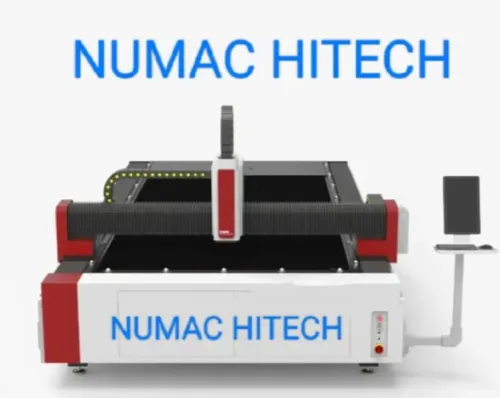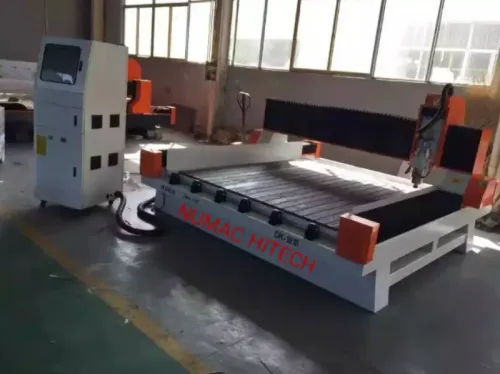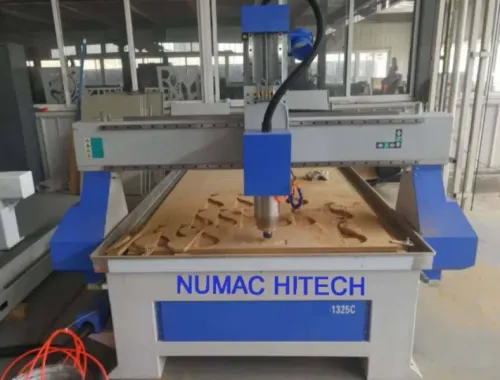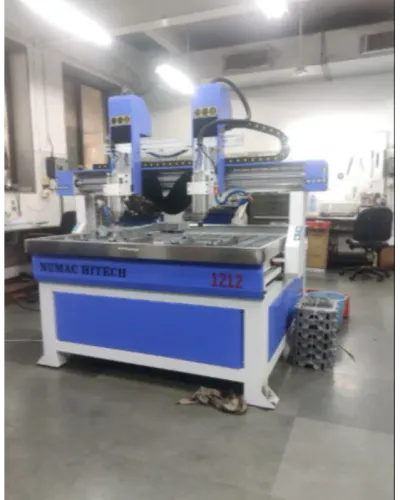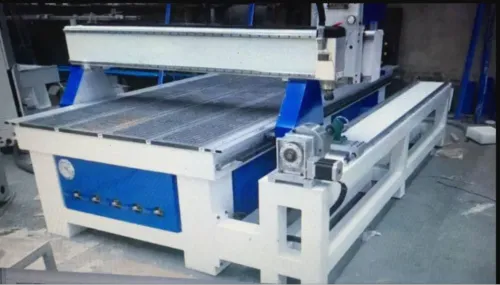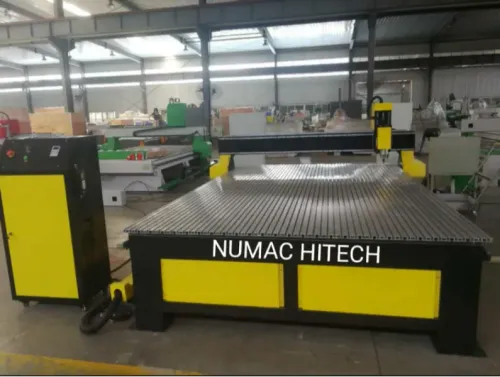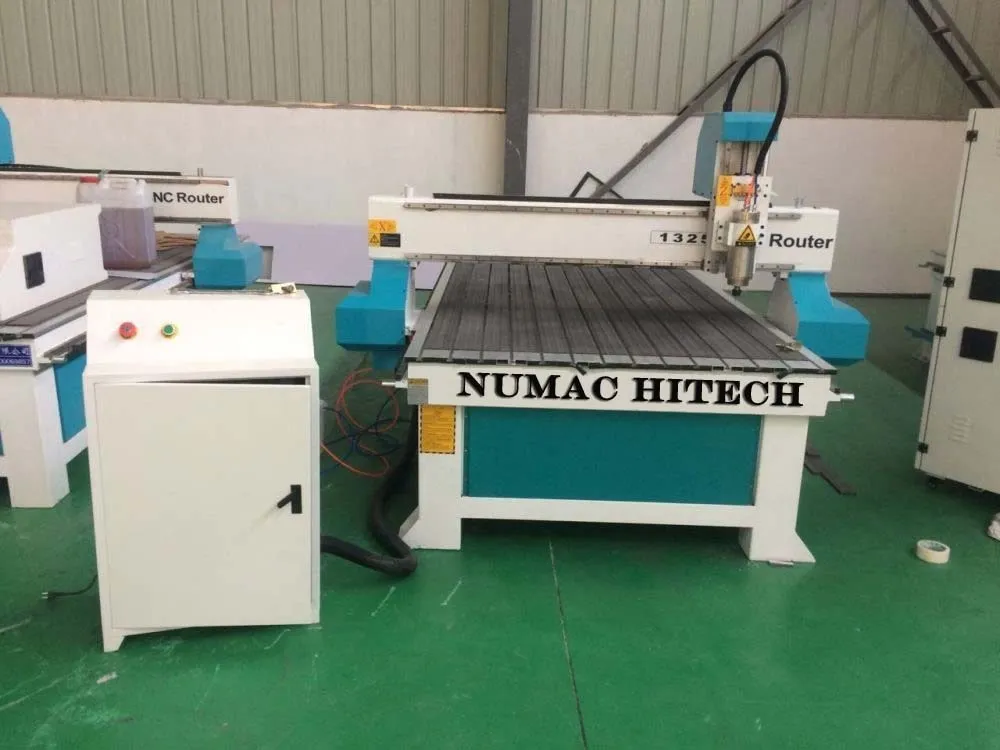
CNC ROUTER & LASER SUPPLIER IN VASAI MUMBAI
The specifications of a CNC (Computer Numerical Control) router machine can vary depending on the model, manufacturer, and intended application. However, below are some common technology specifications that are typically associated with CNC router machines:
1. *Machine Size and Working Area:*
- *Table Size:* Refers to the physical dimensions of the machine's work surface. Common sizes include 4x8 feet, 5x10 feet, or even larger for industrial applications.
- *Working Area:* The maximum area the machine can effectively operate on. This usually aligns closely with the table size but also includes Z-axis (height) capacity.
- *Z-Axis Travel:* The range of vertical movement, which determines the thickness of the material that can be worked on.
2. *Spindle Specifications:*
- *Spindle Power:* The power of the spindle motor, typically ranging from 3 kW to 15 kW or higher, depending on the material and work required.
- *Spindle Speed:* The rotation speed of the spindle, often adjustable from 6,000 to 24,000 RPM or more.
- *Cooling Type:* Spindles may be air-cooled or water-cooled to maintain optimal operating temperatures during long jobs.
3. *Drive System:*
- *Motors:* CNC routers use stepper motors or servo motors for precise control. Servo motors are typically preferred for their accuracy and efficiency.
- *Transmission:* The machine may use a rack and pinion, ball screw, or belt drive system to convert motor rotations into linear motion.
- *Linear Guides:* High-quality linear guides ensure smooth and precise movement along the X, Y, and Z axes.
4. *Control System:*
- *Controller Type:* CNC routers can be controlled by various systems, such as DSP (Digital Signal Processing), NC Studio, or more advanced systems like Siemens or Fanuc.
- *Interface:* Machines often feature an intuitive interface with touchscreens, handheld controllers, or software running on a connected PC.
5. *Accuracy and Precision:*
- *Positional Accuracy:* Refers to how accurately the machine can move to a specified point, typically in the range of ±0.01 mm to ±0.05 mm.
- *Repeatability:* The machine's ability to return to a specific position repeatedly, usually with a similar range as positional accuracy.
6. *Tooling:*
- *Tool Holder/Collet:* Holds the router bits, usually ER collet systems, with common sizes being ER16, ER20, or ER25.
- *Automatic Tool Changer (ATC):* Advanced CNC routers may include an ATC system that allows the machine to switch between multiple tools automatically, improving efficiency for complex jobs.
7. *Software Compatibility:*
- *CAD/CAM Software:* Compatible with software like AutoCAD, SolidWorks, Vectric Aspire, or Fusion 360 for design and toolpath creation.
- *File Formats:* Accepts standard file formats like G-code, DXF, STL, or others specific to the design software used.
8. *Material Handling:*
- *Vacuum Table:* Many CNC routers have a vacuum table system that holds the material in place during machining.
- *Clamping System:* An alternative or additional method for securing material, such as T-slots and clamps.
9. *Cutting Speed and Feed Rate:*
- *Cutting Speed:* Typically measured in inches per minute (IPM) or millimeters per minute (mm/min), indicating how quickly the tool moves through the material.
-
Keywords